Top Tips for Siding Repair in Dumas: What You Need to Know


Understanding the Importance of Siding Repair
Maintaining the exterior of your home is crucial, and siding plays a significant role in protecting it from the elements. Damaged siding can lead to water infiltration, mold, and even structural damage. In Dumas, where the weather can be unpredictable, ensuring your siding is in top condition is essential.
Identifying Common Siding Issues
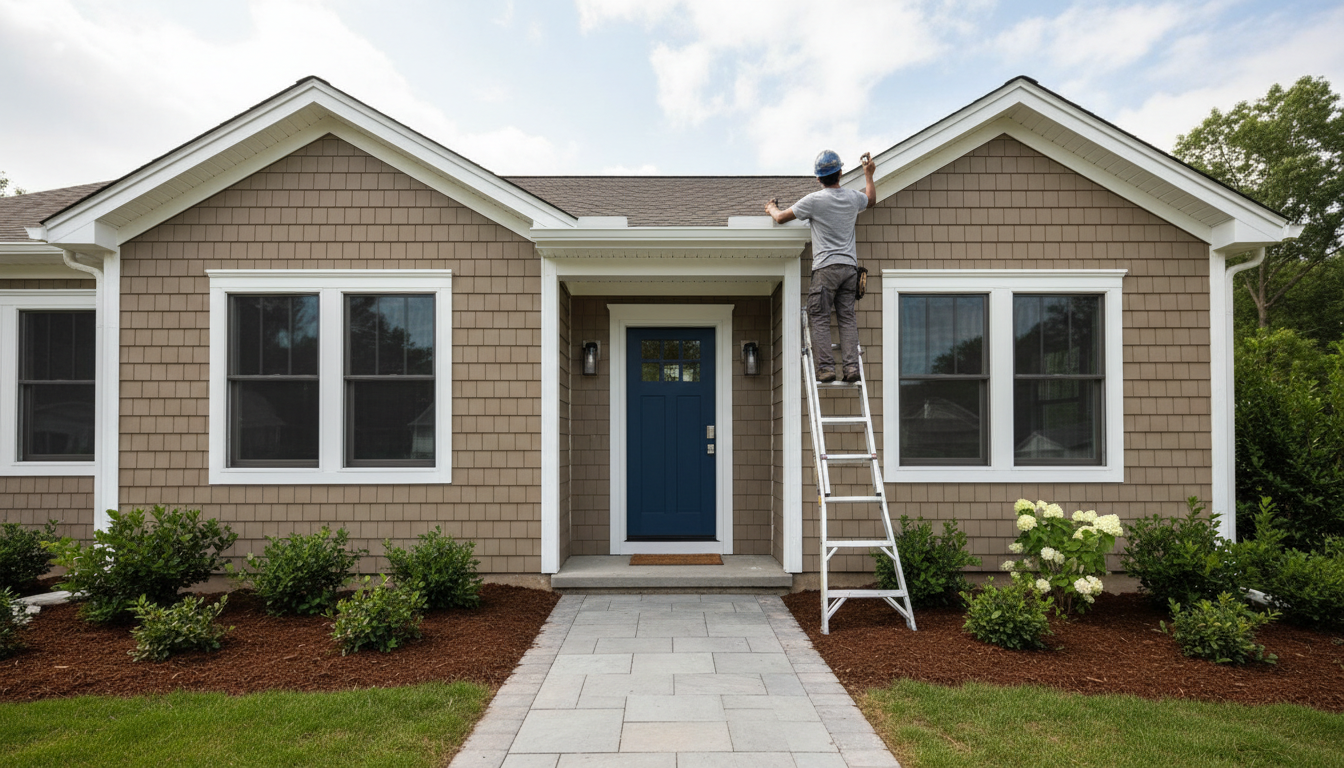
Before diving into repairs, it's important to identify the common issues that might affect your siding. Look for signs such as cracks, warping, or fading. These problems not only affect the aesthetic appeal of your home but can also compromise its structural integrity.
Regular inspections can help you catch these issues early. Walk around your home and check for any visible damage. If you're unsure, consider hiring a professional to assess the condition of your siding.
DIY vs. Professional Repair
When it comes to siding repair, you might wonder whether to tackle the job yourself or hire a professional. While DIY repairs can save money, they might not address underlying issues. Professionals have the expertise to ensure long-lasting repairs.
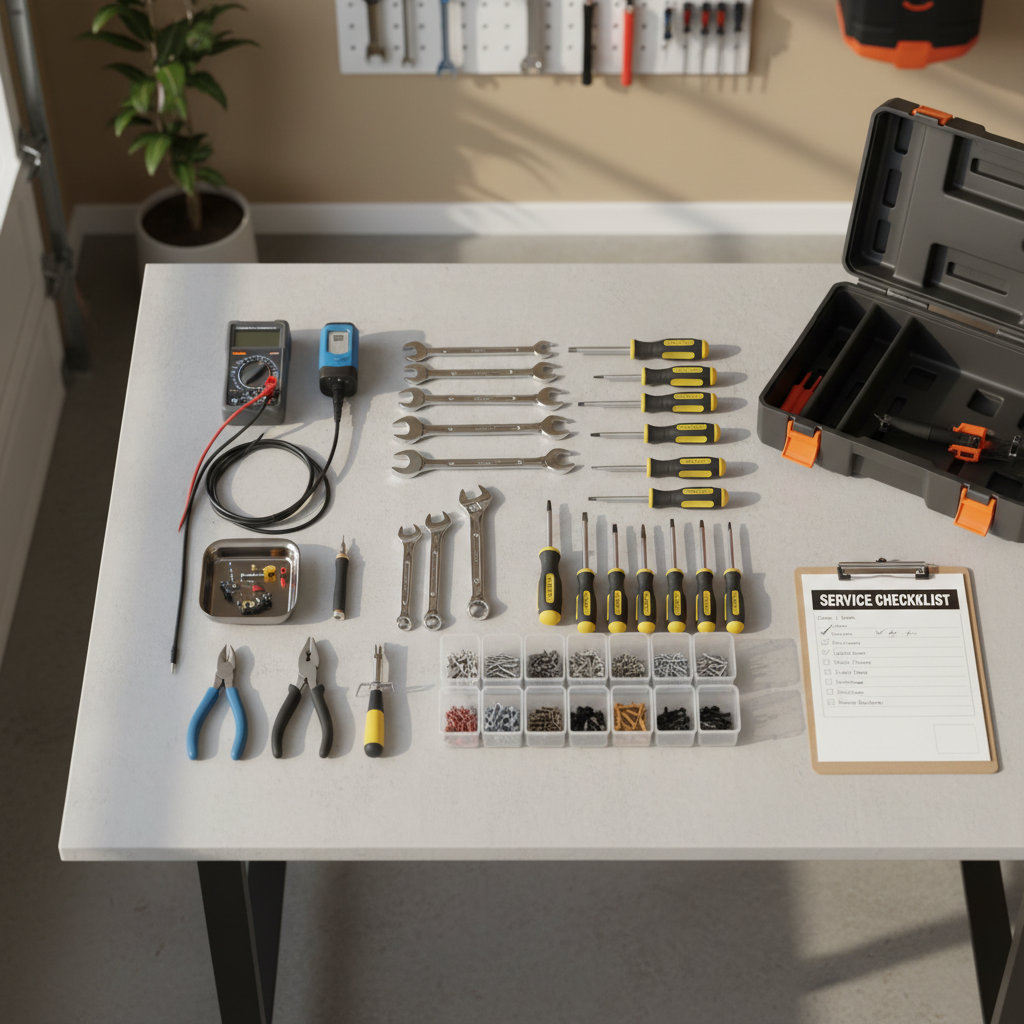
If you're confident in your skills and the damage is minor, DIY might be the way to go. However, for extensive damage or if you're unsure about the repair process, hiring a professional is often the better choice.
Choosing the Right Materials
The type of siding you have will determine the materials needed for repair. Common siding materials include vinyl, wood, and fiber cement. Each comes with its own set of repair requirements and costs.
- Vinyl Siding: Affordable and easy to install, but can crack in extreme temperatures.
- Wood Siding: Offers a classic look but requires regular maintenance to prevent rot.
- Fiber Cement: Durable and resistant to various weather conditions, but more expensive than vinyl.
Steps to Repairing Your Siding
Repairing siding involves several steps, from removing damaged sections to installing new pieces. Here's a basic outline of the process:
- Remove the damaged siding carefully to avoid affecting surrounding areas.
- Inspect the underlying structure for any signs of damage.
- Cut and fit the new siding to match the existing material.
- Secure the new siding in place and seal any gaps to prevent water infiltration.
Preventing Future Damage
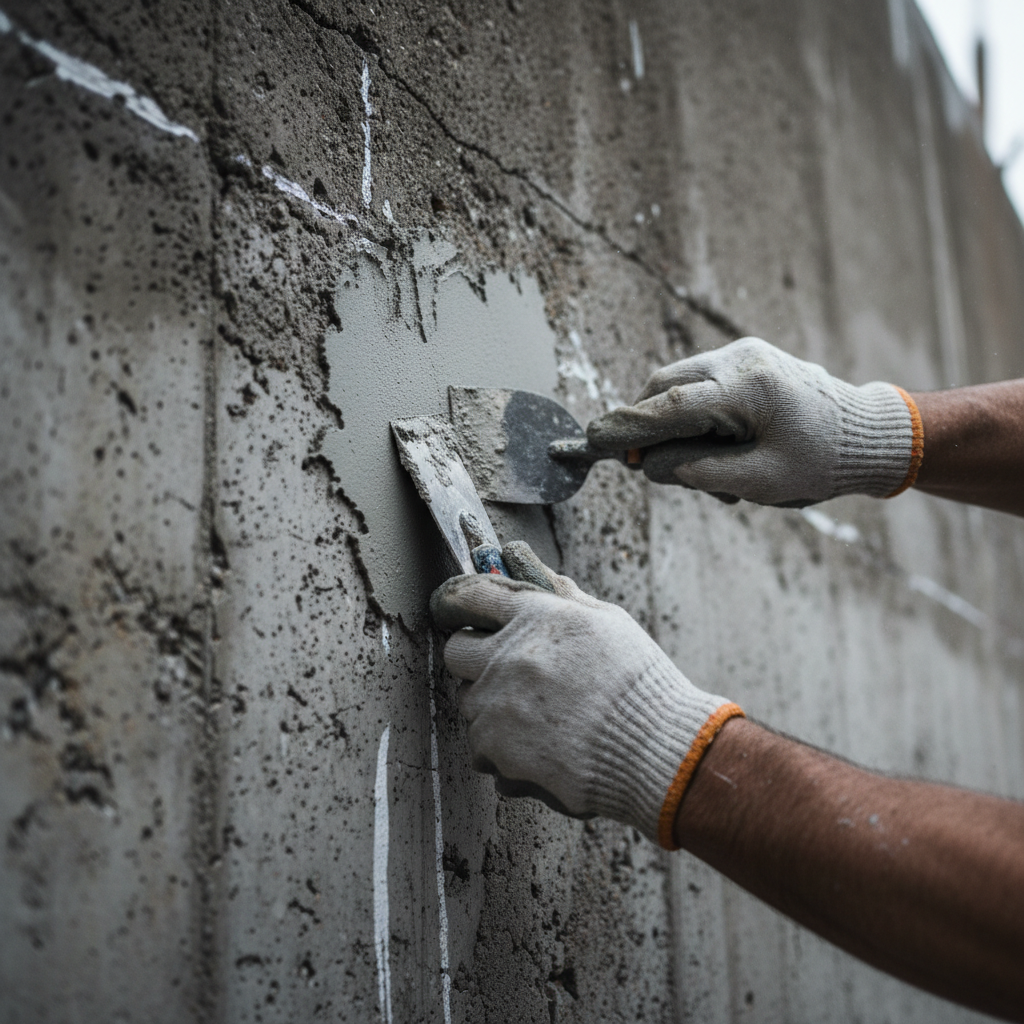
Once repairs are complete, focus on preventing future issues. Regular maintenance, such as cleaning and sealing, can greatly extend the life of your siding. Trim back any overhanging branches that could cause damage during storms.
Consider applying a protective coating to your siding to shield it from UV rays and moisture. This simple step can prevent fading and deterioration over time.
When to Seek Professional Help
While minor repairs can be handled independently, some situations require professional intervention. If you notice persistent issues or suspect underlying damage, it's time to call in the experts. Professionals can provide a thorough assessment and offer solutions tailored to your needs.
Remember, investing in quality repairs now can save you from costly replacements in the future. Prioritize the health of your home's exterior and enjoy peace of mind knowing it's well-protected.